
Driveway Cleaning · Eugene, OR
How to Remove Oil Stains From a Concrete Driveway Without Ruining the Slab
The same stain gets harder to remove every week it sits. Oil does not dry on concrete, it sinks into it. Which method works depends almost entirely on how deep it has already gone.
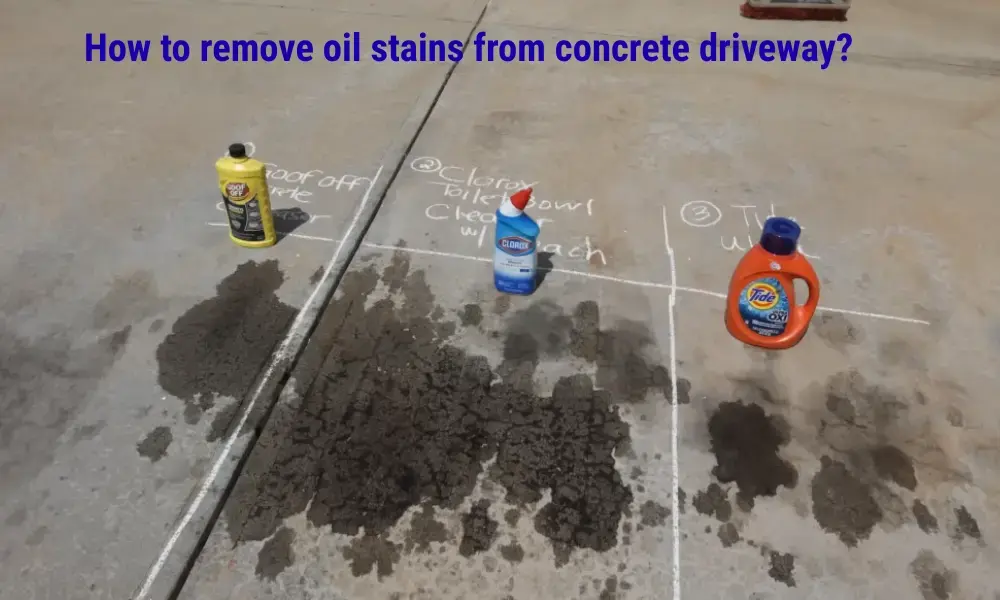
Absorb first, degrease second, agitate third, and rinse last. Cover a fresh spill with cat litter or baking soda to pull oil out before it soaks deeper. Then apply a concrete degreaser, let it dwell, work it in with a stiff push broom, and rinse. Anything older than a few weeks usually needs hot water pressure washing to lift oil out of the pores.
The mistake almost everyone makes is starting with a hose. Water spreads oil sideways into clean concrete before it removes any of it.
Why oil is harder to remove than any other driveway stain
Concrete is not a solid surface. It is a network of tiny capillaries, and it pulls liquid downward the same way a paper towel pulls up a spill.
Most driveway stains stay near the top of that network. Dirt sits in the texture. Leaf tannins and rust from patio furniture bond to the surface layer. Both respond to agitation and detergent because they never went far.
Motor oil behaves differently. It repels water, it flows easily, and it keeps migrating downward until the concrete stops it. That is why a stain can look identical on day one and day thirty while needing two completely different removal methods.
Rain is the reason small drips become wide grey halos
In a wet climate, surface oil rarely stays where it landed. Water carries it outward into clean concrete before the slab dries. A drip that would stay coin-sized in Phoenix spreads into a patch here, which is one more argument for absorbing a fresh spill the same day it happens.
Is your stain fresh or set-in?
Answer this before buying anything. It decides the entire approach.
-
Under 48 hours
Fresh
Still slightly glossy or damp. A paper towel pressed onto it picks up visible oil.
Absorbent plus a household degreaser usually clears it completely.
-
Days to weeks
Recent
Dry to the touch, clearly darker than the surrounding slab, with a defined edge.
Needs a proper concrete degreaser and real agitation, often twice.
-
Months or longer
Set-in
Faded to grey-brown, soft edges blending into the concrete, sometimes a different texture.
Hot water and commercial degreaser, and full removal is not guaranteed.
There is no shortcut past this. Treating a set-in stain with the fresh-stain method wastes an afternoon and leaves you convinced the stain is permanent when it may not be.
The removal process, step by step
-
Absorb before you touch it with water
This is the step people skip, and it is the one that decides whether the stain becomes permanent.
Cover the spot with clay cat litter, baking soda, or cornstarch. Leave it for several hours, overnight for anything larger than a dinner plate. Sweep it up and repeat once if the material still looks saturated.
Do not hose it first, and do not wipe it. Both spread the oil outward and drive some of it further into the slab. Portland Cement Association guidance has made the same point for decades: lift the free-standing oil first, then clean whatever is left behind.
-
Choose a degreaser that matches the stain
Dish soap is a surfactant, not a concrete degreaser. It lifts what is sitting on top and leaves what has soaked in.
- Enzyme-based degreasers work slowly but are the gentlest option around landscaping and pets
- Alkaline citrus degreasers are the practical middle ground for most driveways
- Trisodium phosphate (TSP) is stronger and cheap, but needs gloves, eye protection, and care near plants
Check whether your product needs to be applied to dry or pre-wetted concrete. The labels differ, and applying an alkaline degreaser to a dry slab in full sun mostly produces a dried streak.
-
Let it dwell, then agitate properly
Dwell time is where most DIY attempts quietly fail.
The degreaser needs to sit long enough to break the bond between the oil and the concrete. Rinsing at three minutes when the label says fifteen means you washed away the product and left the stain.
Agitate with a stiff synthetic push broom. Avoid wire brushes. They roughen the surface, which makes the concrete more porous and easier to stain the next time a car parks there.
-
Pressure wash anything beyond a light stain
Hand scrubbing has a ceiling. Pressure drives detergent into the pores instead of over them.
- Hot water beats cold on oil specifically, because heat thins the oil and helps it release
- A surface cleaner attachment gives even coverage and avoids the zebra striping a bare wand leaves
- Detergent matters more than raw PSI, since plain water at high pressure can etch concrete without touching bonded oil
This is also where consumer and professional equipment genuinely diverge. Most rental and big-box units run cold water only. Hot water with a commercial degreaser is the difference between fading a set-in stain and lifting it.
Think about where the rinse water goes. Oil and degreaser running into a storm drain reaches local waterways untreated, which is why the EPA publishes best practices for vehicle maintenance and washing runoff. Directing wash water onto a lawn or gravel bed rather than into the street handles most of it on a residential job.
-
Let it dry fully before you judge the result
Wet concrete looks uniformly dark. Wait for a full dry before deciding whether it worked.
If the stain reappears as the slab dries, oil deeper in the pores is wicking back up. That is not failure, it is feedback. It means a longer dwell time or a second application, not a stronger scrub.
The absorb-first sequence above follows Portland Cement Association stain-removal guidance, republished by University of Georgia Extension.
When a stain will not come out
Worth knowing before the weekend rather than after it. A stain is more likely to be permanent when several of these apply.
- The concrete was never sealed, which is common on older pours
- The oil sat for months rather than days
- The slab has a rough, open surface texture that soaked up more than a smooth finish would
- Previous cleaning attempts spread the stain outward without lifting it
The honest version most articles skip
Plenty of set-in oil stains fade rather than disappear. That is a real outcome, not a failed one. A faint shadow on a uniformly clean driveway reads very differently than a dark patch on a dirty one, which is why cleaning the whole slab often matters more to the finished look than chasing the last ten percent of one stain.
Stopping the next stain
Sealing is the single most effective prevention, because it fills the pores oil would otherwise sink into. Future drips sit on the surface long enough to wipe up.
Four things that keep it that way
None of these take long, and together they prevent most repeat stains.
- Apply a penetrating sealer once the concrete is fully dry and free of degreaser residue
- Plan on resealing every few years, sooner in a wet climate than a dry one
- Keep a drip pan or a sheet of cardboard under any vehicle with a known leak
- Absorb fresh drips the day they happen rather than the weekend after
Timing helps too. Sealer needs dry concrete and dry weather to cure, which in this part of Oregon realistically means summer through early autumn. Trying to seal in November rarely ends well.
One more thing worth saying plainly. If you change your own oil, the drained oil belongs at a collection site, not on the ground or down a drain. The EPA maintains guidance on managing and recycling used motor oil, and most auto parts stores in Eugene accept it free of charge.
When it stops being a DIY job
A fresh spill and a bag of cat litter is not worth paying anyone for. Three situations change that calculation.
- The stain has already resisted one attempt, which usually means it is deeper than cold water can reach
- The area is large, where a wand leaves striping across the whole slab and the fix looks worse than the stain
- The rest of the driveway needs cleaning anyway, since a single clean patch on a dirty slab draws more attention than the original mark
If that sounds like your situation, our driveway cleaning service in Eugene uses hot water and commercial degreasers on oil, and the same visit usually covers the adjoining patio and walkway surfaces so the finished concrete matches.
FAQs About Removing Oil Stains From Concrete
Will Dawn dish soap remove an oil stain from concrete?
It helps with light, fresh residue. Dish soap is a surfactant, not a concrete degreaser, so it lifts oil sitting on the surface but does not reach oil that has already migrated into the pores. For anything more than a day or two old, use a dedicated degreaser.
Does baking soda actually work on oil stains?
Yes, but only as an absorbent on a fresh spill. It pulls oil upward before it soaks deeper. It is not a degreaser and will do very little to a stain that has already set into the slab.
Can pressure washing damage a concrete driveway?
Too much pressure held too close can etch or pit concrete, especially older or softer pours. It is a technique problem rather than a pressure problem. Correct nozzle selection, distance, and consistent movement prevent it.
Why does the stain come back after it dries?
Because the cleaning only reached the top layer. Oil deeper in the pores wicks back up as the slab dries. A stain that reappears after drying is a sign the degreaser needed a longer dwell time or a second application, not harder scrubbing.
Should I seal my driveway after removing an oil stain?
Sealing is the most effective way to stop the next stain, because it fills the pores oil would otherwise sink into. Wait until the concrete is fully dry and free of degreaser residue, then apply a penetrating sealer during a dry stretch of weather.
Is a stain that has been there for years ever removable?
Sometimes. Hot water with a commercial degreaser lifts a surprising number of stains people had written off. Full removal is less likely on old unsealed concrete, but significant fading is common.
Does rain make an oil stain worse?
It spreads it. Water carries surface oil outward into clean concrete before the slab dries, which is why a small drip can become a wide grey halo after a wet week. Absorbing a fresh spill matters more in a wet climate than a dry one.
Can I use a wire brush on the stain?
Avoid it. A wire brush roughens the surface, which makes the concrete more porous and easier to stain next time. A stiff synthetic push broom gives you the agitation you need without opening up the surface.
The stain is not the problem. The delay is.
Every method on this page works better the sooner it is used. A spill caught the same afternoon costs a bag of cat litter. The same spill in March costs hot water, commercial degreaser, and a compromise on the final result.
If the stain is fresh, stop reading and go put something absorbent on it. If it is old, try the full process once with a proper dwell time before assuming it is permanent. Most people never get that far.
What has already failed on yours?
Get the Whole Driveway Looking Right
Tell us roughly how old the stain is, how large the area is, and whether the concrete has ever been sealed. We will give you a written quote before any work starts.
Evergreen Surface Care serves homes and businesses across Eugene and nearby Lane County. Free written estimate. Surface-safe methods. No surprise charges.