
House Washing Guide · Eugene, OR
Why Green Algae Keeps Returning on North-Facing Siding in Eugene
If the same wall turns green again after cleaning, the issue is usually not “bad siding.” North-facing walls dry more slowly, and Eugene’s wet season keeps that moisture cycle going.
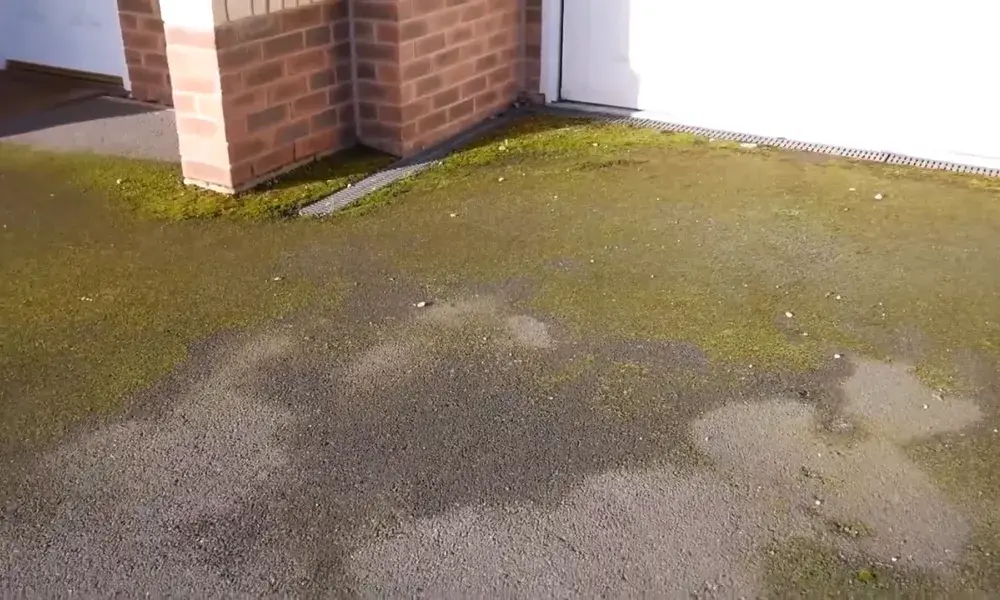 North-facing siding · Eugene
Green algae keeps returning because cleaning removes the visible film but does not change the conditions that keep the wall damp. On north-facing siding in Eugene, shade, rain, tree cover, sprinklers, gutters, and limited airflow can all extend drying time.
- 40.83 inNormal annual Eugene precipitation cited in the article
- North sideUsually gets less direct solar drying
- MoistureThe recurring condition to investigate first
- Low pressureOften safer for siding than aggressive washing
You clean the green film from one side of your house. The siding looks bright again. Then another Eugene winter passes, spring arrives, and the same wall starts turning green.
That pattern is not random.
Green algae on north-facing siding often returns because the factors that supported the growth never changed. The north side gets less sun. It dries more slowly after rain, dew, fog, and sprinkler spray. Trees, fences, eaves, and dense plants can keep that wall damp even longer.
In Eugene, those factors matter. NOAA’s 1991–2020 climate normals show about 40.83 inches of annual rain at Eugene Airport. Much of that rain falls from October through April. The result is a long season when shaded outside surfaces can stay wet for hours or days.
The solution is not stronger pressure. It is better moisture control, surface-safe cleaning, and realistic upkeep. That is the key to slowing green algae.
If your siding already has widespread green growth, our house washing service explains how we clean different siding materials.
Why Does the North Side of a House Turn Green First?
North-facing walls often receive less sun, so they stay damp longer. That longer drying time gives algae and other organic growth more time to settle on dirt, pollen, and residue.
Sun does more than make a wall brighter. It helps moisture dry.
A south or west wall may dry fast after light rain. A north wall can remain cool and damp.
Add a Douglas fir canopy, deep roof overhang, fence, or nearby house, and the drying period can last even longer.
That difference explains why one elevation can look clean while another turns green.
It also explains why cleaning alone may not solve the problem for good.
The north wall is not always “dirtier.” It simply offers a better setting for organic growth.
This is mainly relevant in the Willamette Valley. Western Oregon has mild, wet winters that support moss in shady, wet areas.
Oregon State University describes wetness and shade as major factors behind moss growth in this region. Those same site factors also help outside walls stay damp longer.
For Eugene homeowners, that means direction matters.
A shaded wall in South Eugene can behave differently from a sunny wall on the same house.
River Road, Santa Clara, College Hill, and other tree-covered areas can show the same pattern.
Is the Green Material Really Algae?
Often, yes, but color alone cannot identify every type of growth. A green film may be algae, mildew, mixed organic growth, or staining sitting on dirt and pollen. Moss and lichen tend to have more texture.
Homeowners often use “mold,” “mildew,” and “algae” as if they mean the same thing.
They do not.
Algae often appears as a flat green film. It can spread across large open areas of siding.
Mildew and mold are fungi. They may appear black, gray, white, or green.
Moss is often thicker and more plant-like. It tends to grow where moisture remains for long periods.
Lichen often forms crusty or leafy patches. It is a partnership between a fungus and a photosynthetic organism.
You do not need a biology lesson before cleaning your house.
Still, the difference matters when the growth looks unusual or keeps returning very fast.
If a wall has fuzzy colonies, soft wood, failed paint, or moisture coming from inside, treat that as more than a cosmetic cleaning issue.
For normal green growth outside, the first question is much simpler.
Why is this wall staying wet?
That question often leads to a better long-term answer.
Why Does Green Algae Keep Coming Back After Siding Is Cleaned?
Cleaning removes the visible growth. It does not change shade, rain exposure, sprinklers, tree cover, airflow, or drying time. If those factors stay the same, green algae on north-facing siding can return.
This is the part many homeowners miss.
A wall can be cleaned very well and still become green again later.
That does not always mean the cleaning failed.
Think about a shaded patio.
If it stays damp every winter, organic growth can return after cleaning.
Siding behaves in much the same way.
Several factors can shorten the time between cleanings.
1. Dense Tree and Shrub Cover
Branches can block sun and airflow.
Shrubs planted tight against siding can also trap moisture near the wall.
The goal is not to remove every tree.
Mature landscaping is part of what makes many Eugene neighborhoods attractive.
The goal is to give the wall enough space to dry.
2. Roof Runoff and Gutter Problems
Overflowing gutters can keep siding wet.
A leaking downspout can soak one vertical strip again and again.
Water can also splash from a lower roof onto an upper wall.
If green growth forms in a narrow path, check the drainage pattern before blaming the siding.
Our gutter cleaning service can help when clogged troughs or downspouts are part of the problem.
3. Sprinklers Hitting the House
A sprinkler head can water siding every morning without anyone noticing.
This happens near foundation beds and narrow side yards.
Watch the sprinkler system through one full cycle.
Check whether mist reaches the wall.
Moving one sprinkler head can sometimes reduce repeated wetting.
4. Deep Eaves and Permanent Shade
Roof overhangs protect siding from direct rain.
They can also reduce sun and natural rinsing.
Georgia-Pacific notes that areas under eaves, porches, and overhangs may need extra cleaning because rain reaches them less well.
5. Pollen and Airborne Dirt
Algae does not need thick soil.
A thin layer of pollen, dust, and organic residue can help the surface hold moisture.
Eugene gets heavy seasonal pollen.
Tree-covered lots can collect even more debris.
That is one reason a gentle upkeep wash can help before the wall looks heavily stained.
Does Eugene’s Climate Make Siding Algae Worse?
Yes. Eugene has a long cool and wet season, followed by a much drier summer. North-facing walls spend months getting rain while receiving limited solar drying. That creates a strong seasonal pattern for outside growth.
NOAA’s 1991–2020 normals show Eugene averaging 40.83 inches of rain each year.
December averages 7.21 inches.
January averages 6.05 inches.
November averages 5.98 inches.
July and August are much drier.
That seasonal contrast matters.
The wet months supply moisture.
Shade slows drying.
Cool temperatures reduce drying speed.
Tree canopy limits sun and airflow.
By late winter or spring, a north-facing wall can show the result.
Then summer arrives and the wall dries more quickly.
The growth may stop spreading as fast, but the staining remains visible.
That makes late summer and early autumn useful times to check siding.
You can clean built-up growth before the next wet season starts.
If several areas of the property need care, see our complete outside cleaning services in Eugene.
Should You Pressure Wash Green Algae Off Siding?
Siding often needs controlled cleaning rather than aggressive pressure. The method should match the material, finish, condition, and maker guidance.
More pressure is not the goal
For siding, the safest method depends on the material, coating, condition, openings, and manufacturer guidance. A fast clean is not a good clean if it damages the finish or drives water behind the cladding.
High pressure can make a green wall look clean quickly.
Quick is not always safe.
Water can be driven into gaps around laps, trim, vents, windows, and wall penetrations.
Strong pressure can also mark old paint or harm fragile finishes.
James Hardie suggests a low-pressure hose and soft nonmetal brush for routine siding cleaning. The company warns against high-pressure power washing for that task.
The Polymeric Exterior Products Association also suggests gentle cleaning for vinyl siding.
It advises testing cleaners in a hidden area first and rinsing well afterward.
That does not mean every house gets the same process.
A cleanable vinyl wall is different from oxidized aluminum.
Painted cedar is different from fiber cement.
Stucco needs different judgment again.
Our soft washing service in Eugene covers the low-pressure method used for surfaces that should not be blasted.
What Cleaning Method Is Safest for Each Siding Material?
The safest approach starts with the surface, not the machine.
| Siding materialMain concernSafer general approach | ||
|---|---|---|
| Vinyl | Water entry, oxidation, loose panels | Low-pressure cleaning, safe cleaner, thorough rinse |
| Fiber cement | Finish damage, harsh chemicals | Follow maker directions, soft brush or cloth, low-pressure rinse |
| Painted wood | Peeling paint, soft fibers, water entry | Gentle cleaning, test first, check coating condition |
| Cedar | Fiber damage, color change, raised grain | Wood-specific method, low pressure, careful chemistry |
| Stucco | Cracks, weak coatings, water entry | Low pressure, check cracks first, avoid forcing water into defects |
| Aluminum | Oxidation and visible wand marks | Test first, gentle chemistry, avoid aggressive pressure |
The table is intentionally broad.
Maker directions should win whenever they are available.
That is why a pro check should happen before cleaning starts.
A faded wall may not need “more power.”
It may need a gentler method.
A failing paint film may need repainting after cleaning.
A soft cedar wall may need different chemistry than vinyl.
Our pressure washing in Eugene approach is surface-specific instead of using one pressure level across the whole property.
Why Stronger Cleaning Does Not Always Keep Algae Away Longer
More pressure does not remove the cause. A wall still exposed to shade and moisture can become green again, even after aggressive cleaning.
This is a useful rule.
Clean only as hard as the surface requires.
The goal is to remove buildup without harming the finish.
Homeowner discussions online show the same recurring frustration.
People often report a north wall that turns green every year or two.
They also disagree about pressure, chemicals, and DIY cleaning.
That disagreement is exactly why maker guidance matters more than forum certainty.
A clean wall still faces the same winter.
The better long-term plan combines cleaning with moisture control.
How Can You Slow Algae From Returning?
You cannot change which direction your house faces. You can often reduce how long the siding stays wet. That can slow new growth and make future cleaning easier.
Think drying time, not just cleaning strength
You cannot change which way the house faces, but you can often reduce unnecessary wetting, improve airflow, correct drainage, and clean before buildup becomes heavy.
Start with these seven checks.
1. Trim Plants Away From the Wall
Keep shrubs from pressing directly against siding.
Open space improves airflow.
It also makes checks easier.
Do not cut major trees only for cosmetic cleaning.
Focus first on branches or shrubs that create constant contact and deep shade.
2. Check Gutters During Real Rain
A dry-day check can miss overflow.
Watch the gutters during steady Eugene rain.
Look for water spilling over edges, leaking from joints, or running behind the gutter.
Fixing a drainage problem can matter more than changing cleaners.
3. Redirect Sprinklers
Make sure spray stays on the landscape.
It should not wet siding, windows, doors, or trim each day.
Morning watering can be easy to miss.
4. Clear Debris From Lower Rooflines
Needles, leaves, and organic debris hold water.
They can also redirect runoff toward siding.
If nearby roof surfaces show moss or dark streaks, our roof cleaning service explains the low-pressure approach used on shingles.
5. Wash Before Buildup Becomes Heavy
A light upkeep cleaning is often easier than removing several seasons of growth.
Do not wait for the wall to become dark green.
The right interval depends on exposure.
A sunny wall may need little care.
A shaded north wall may need cleaning more often.
6. Fix Moisture Sources Before Repeating the Wash
If one patch returns very fast, check the area.
Look at the hose bib, downspout, flashing, sprinkler, window, or roof edge.
Repeated local growth can be a useful clue.
7. Keep Nearby Hardscape Clean
Algae on walkways and patios shows that an area stays damp.
Cleaning nearby hard surfaces will not cure the siding.
It can help reveal where shade and water collect around the property.
See our driveway cleaning and patio cleaning pages for hard-surface methods.
When Is the Best Time to Clean North-Facing Siding in Eugene?
Late summer and early autumn are practical upkeep windows. The weather is often drier, surfaces can dry more predictably, and you can remove buildup before the long wet season.
That does not mean you must wait until September.
Clean the siding when growth becomes noticeable and the weather allows safe work.
Spring can also make sense.
You may want to remove winter buildup before spending more time outdoors.
The bigger mistake is cleaning on a day that works against the process.
Strong heat can dry cleaners too fast.
Freezing weather creates obvious problems.
Wind can carry mist toward plants, vehicles, and nearby property.
Rain can dilute some products before they work.
For pro scheduling, the method and timing should match the surface and weather.
If your siding, deck, and fence need care together, you can also review our deck cleaning and fence cleaning services.
Can Algae Permanently Stain Siding?
Sometimes a visible mark remains after the organic growth is removed. That does not always mean algae is still there. The finish may be faded, oxidized, weathered, or already damaged.
This difference matters.
Imagine a wall with heavy green growth for years.
After cleaning, you may see lighter or darker areas underneath.
Those areas could show uneven paint weathering.
They could show oxidation.
They could reveal old damage.
Painted wood may show a failing coating.
Fiber cement may have finish issues.
Vinyl can develop oxidation that changes how it looks when wet or wiped.
That is why testing a small area is useful.
It helps separate removable buildup from a finish problem.
If the surface stays blotchy after the right cleaning, stop increasing pressure.
The next step may be painting, repair, or help from a siding contractor.
When Does Recurring Green Growth Point to a Bigger Moisture Problem?
Recurring growth is often an outside upkeep issue. However, unusually fast return in one small area can justify a closer check for drainage or water-entry problems.
Watch for signs such as:
- Soft or swollen trim
- Peeling paint around windows
- Repeated staining below one gutter joint
- Water marks under soffits
- Loose siding
- Cracked stucco
- Indoor dampness near the same wall
- Rot at the bottom of wood siding
- Wet soil that stays against the foundation
Green algae alone does not prove hidden rot.
Do not assume the worst.
Pay attention to the pattern.
A broad green film across a shaded elevation points toward exposure.
A narrow wet streak below one defect deserves a closer look.
Is DIY Cleaning a Good Idea?
Small, easy-to-reach areas can be reasonable DIY jobs when you follow the siding maker’s directions. Two-story walls, fragile finishes, steep ground, and heavy growth bring more risk.
For a small vinyl wall, a garden hose, safe cleaner, and soft brush may be enough.
PEPA suggests testing cleaners on a hidden area first.
It also advises rinsing the wall well.
James Hardie gives similar care guidance for its fiber cement products.
Avoid making up your own chemical mixtures.
Never mix bleach with ammonia or ammonia-based cleaners.
The EPA warns that mixing them can create toxic fumes.
Also avoid standing on a ladder while fighting pressure-washer recoil.
Second-story work changes the safety calculation.
A pro house washing estimate can make more sense when access, siding condition, or plant protection becomes hard.
How Often Should North-Facing Siding Be Cleaned?
There is no universal schedule. In Eugene, check shaded siding once or twice each year and clean when organic buildup becomes clear.
A calendar is less useful than observation.
Check the house after winter.
Check again before the fall rains.
Pay special care to:
- North-facing elevations
- Walls under large trees
- Areas behind dense shrubs
- Siding near sprinklers
- Walls below roof valleys
- Sections under deep eaves
- Lower siding near damp soil
James Hardie suggests cleaning its siding every six to twelve months as general upkeep.
CertainTeed recommends annual cleaning for its vinyl siding to control buildup.
Always follow the guidance for your actual siding product.
For many homes, the north wall needs care before sunny elevations do.
That is normal.
A Practical Eugene Maintenance Plan
You do not need to turn outside cleaning into a monthly chore.
Use a simple seasonal routine.
Late winter or spring: Check for green film, moss, gutter overflow, and winter debris.
Early summer: Trim plants touching the siding. Adjust sprinklers before irrigation use peaks.
Late summer: Clean set-in growth during drier weather.
Early autumn: Check gutters, downspouts, roof edges, and drainage before steady rain returns.
This plan addresses both the stain and the factors around it.
For homeowners who prefer one full check, our Evergreen Surface Care team can assess the siding and suggest the least aggressive method that fits the surface.
FAQs About Green Algae on North Facing Siding in Eugene
Why Is Only One Side of My House Green?
That side probably dries more slowly.
North-facing walls often get less direct sun.
Trees, fences, nearby buildings, and roof overhangs can add even more shade.
Does Green Siding Mean I Have Mold Inside My Walls?
No.
Green growth outside does not prove there is hidden indoor mold.
Look for other moisture signs before assuming there is a problem inside the wall.
Is Green Algae Bad for Siding?
Light surface growth is often mainly cosmetic.
Long-term dampness can still cause staining and reveal existing finish problems.
Wood deserves more care because repeated moisture can affect coatings and fibers.
Will Pressure Washing Stop Algae From Returning?
No.
Pressure does not change shade, rainfall, sprinklers, or drying time.
Green algae on north-facing siding can return when those factors remain.
Does Soft Washing Prevent Algae Forever?
No.
Soft washing can remove organic growth with low pressure, but it cannot change the direction the house faces.
Future upkeep may still be needed.
Can I Use Bleach on Siding?
It depends on the siding and maker directions.
Some finishes can be damaged by strong cleaners.
Never mix bleach with ammonia.
Always test an approved cleaner first.
Why Does Algae Grow Under My Eaves?
Those areas may receive little sun and less natural rinsing from rain.
Airflow may also be limited.
That allows dirt and moisture to stay longer.
Can Trimming Trees Solve the Problem?
It can help when dense plants create constant shade and block airflow.
You do not need to remove healthy trees just to keep siding bright.
Why Did the Green Return in the Exact Same Pattern?
The moisture pattern probably stayed the same.
Look for shade lines, sprinkler spray, gutter overflow, downspout leaks, and roof runoff.
Is Algae More Common on Vinyl Siding?
Algae can grow on many outside materials because it often lives on dirt and residue sitting on the surface.
Vinyl, painted wood, fiber cement, and stucco can all show organic staining.
Should I Clean Siding Every Year in Eugene?
Not every wall needs the same schedule.
Check the siding each year.
Shaded north-facing siding may need care more often than sunny elevations.
When Should I Call a Professional?
Call when the house is two stories, the finish is fragile, the ground is steep, or the growth is heavy.
Professional help also makes sense when you are unsure about the siding material or see signs of a drainage issue.
The Real Reason the Green Keeps Returning
Green algae on north-facing siding is often not a mystery.
The wall stays damp longer than the rest of the house.
Eugene’s wet season supplies the moisture.
Shade slows drying.
Trees, eaves, gutters, sprinklers, and weak airflow can make the wet period even longer.
Cleaning removes the visible growth.
Prevention means reducing needless moisture and caring for the surface before buildup becomes heavy.
The best approach is not the strongest pressure.
It is the safest method that works for the actual material.
Evergreen Surface Care provides house washing and outside cleaning throughout Eugene and nearby Lane County areas.
We match the cleaning method to the siding, protect nearby plants, and provide clear written pricing before work begins.
For an inspection or quote, request a written estimate or call (541) 603-0340.
Clean the Siding Without Using More Pressure Than It Needs
We match the cleaning method to the siding material, finish, condition, buildup, and surrounding property. You get a clear written quote before work begins.
Evergreen Surface Care provides pressure washing in Eugene, OR with surface-specific methods for siding, concrete, roofing, decks, fences, patios, and other exterior materials.